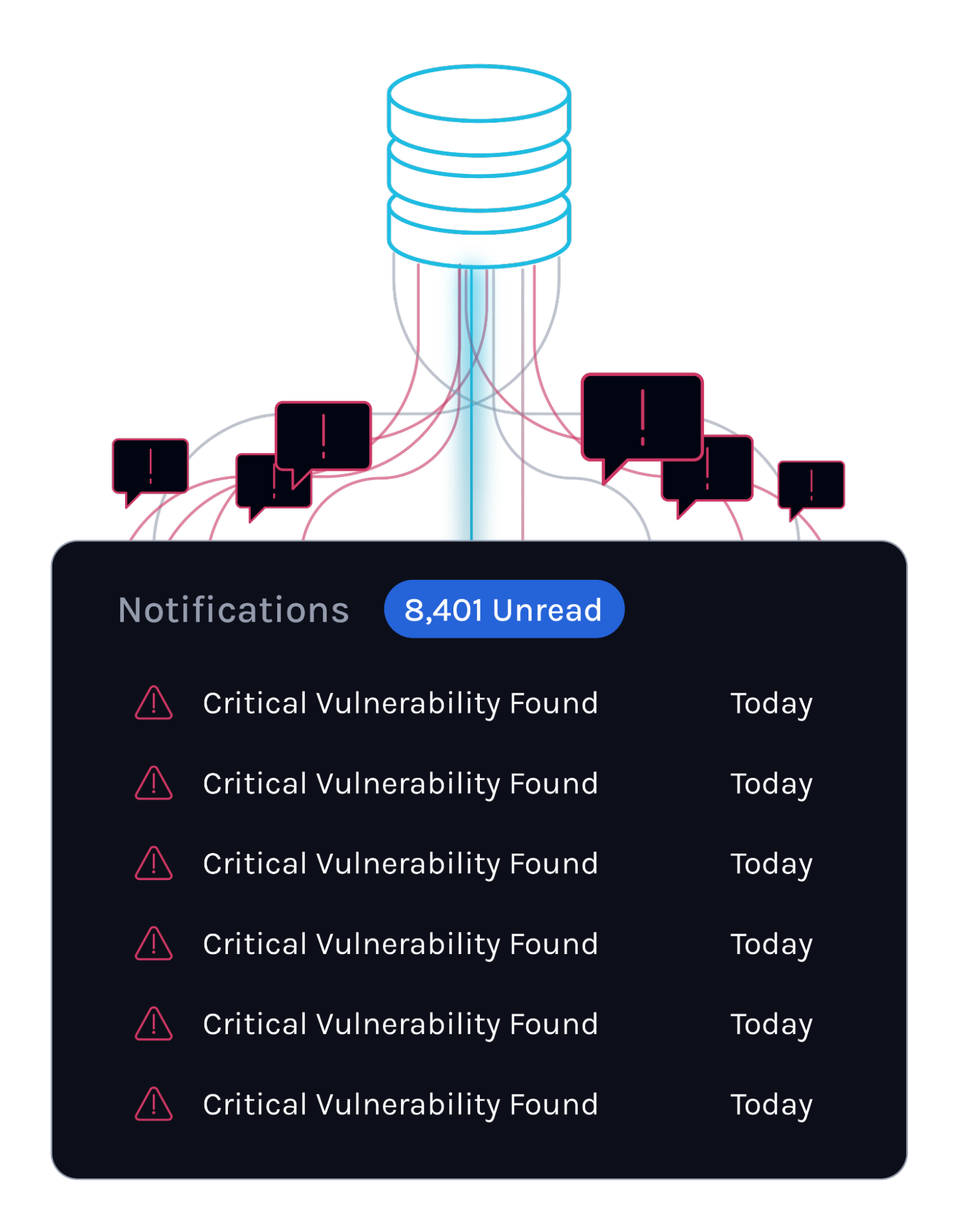
Legacy SCA Is Broken
- Bloated vulnerability backlogs
- Unnecessary delays in development
- Developer fatigue
- Exploitable exposures in production
- Hidden supply chain risk
Why Next-Generation SCA Matters
Focus on exploitable, high-impact risks, not every CVE ever reported.
Eliminate false positives and shrink backlogs with exploitability and reachability context.
Track dependencies from repo to runtime to deployed product.
Prove software integrity to customers, auditors, and regulators.
Manifest: High Signal SCA
- High signal, low noise
Fewer false positives with prioritization that factors severity, code reachability, exploitability, and business impact.
- Finds what others miss
Deep coverage across languages and artifacts, including C and C++, Dockerfiles, and binaries, plus risks beyond vulnerabilities and licenses such as end of life and foreign ownership, control, and influence.
- Enriched and prioritized vulnerabilities
Automatic enrichment, dependency mapping, and clear fix guidance so teams address the right issues first.
- Product-level risk, continuously
Automated monitoring across the entire software development life cycle with Software Bill of Materials validation and policy enforcement, rolling up from components to applications, vehicles, and products.
FAQs
SCA is the visibility layer for open-source risk and a foundation for SBOMs, governance, and end-to-end supply chain assurance.
Manifest focuses on exploitability, lifecycle context, and continuous monitoring to prioritize meaningful findings and eliminate false positives.
Legacy SCA tools generate noisy, shallow results and lack context, leading to alert fatigue and missed real risks.
Next-generation SCA provides continuous, contextual, and risk-based visibility into open-source and third-party dependencies, reducing noise and prioritizing real threats.